
Room tone is the ambient sound of a location with no dialogue, no movement, and no performance happening: just the space itself. Every room has one: the hum of a refrigerator down the hall, the faint hiss of an HVAC system, traffic murmuring outside a window, the particular quiet of an empty warehouse at night. It’s never true silence. It’s the sonic fingerprint of a location.
Sound editors record room tone at every location, on every shoot day, without exception. Here’s why it matters so much in post-production:
Dialogue editing depends on it. When two lines of dialogue are cut together from different takes, there’s often a tiny gap between them, and that gap needs to sound like it belongs in the scene, not like dead air. Room tone fills those gaps seamlessly.
ADR needs it. When an actor comes back into the studio to re-record a line, that new recording is dropped into a scene shot somewhere else entirely. Without the original room tone underneath it, the line sounds sterile and disconnected, like it was recorded in a booth, because it was. Room tone is what makes it sit inside the scene again.
Continuity depends on it. A scene is rarely shot in one continuous take. It’s built from dozens of pieces (wide shots, close-ups, inserts, pickups) all recorded at different times, sometimes on different days. Room tone is the connective tissue that makes all those pieces sound like they happened in the same moment, in the same space.
It’s easy to overlook because it’s designed to be overlooked. Room tone is doing its job when the audience never notices it’s there. That’s what makes it such a fitting metaphor for a scene, and for the people who hold everything together without asking for credit.
Why We Named Our Next Film After It
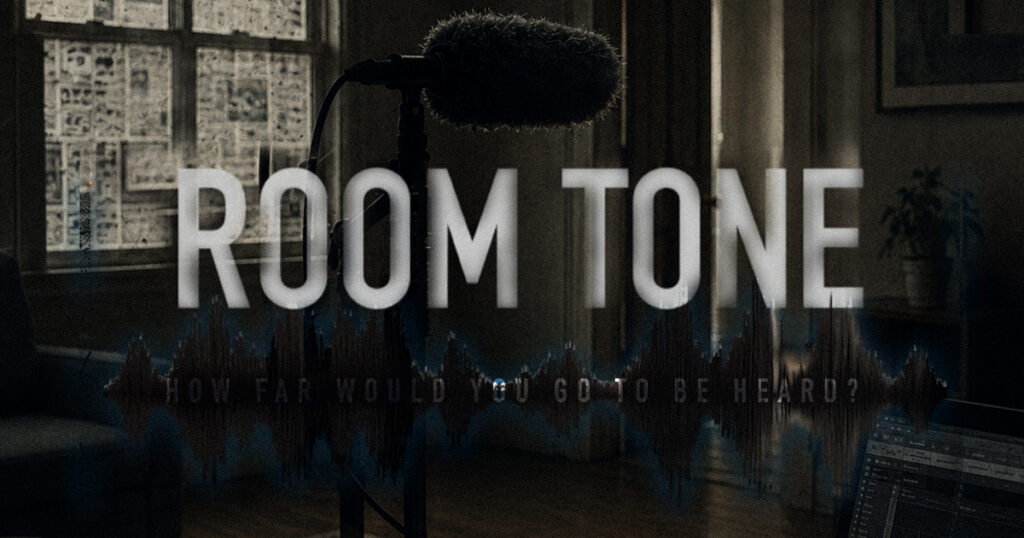
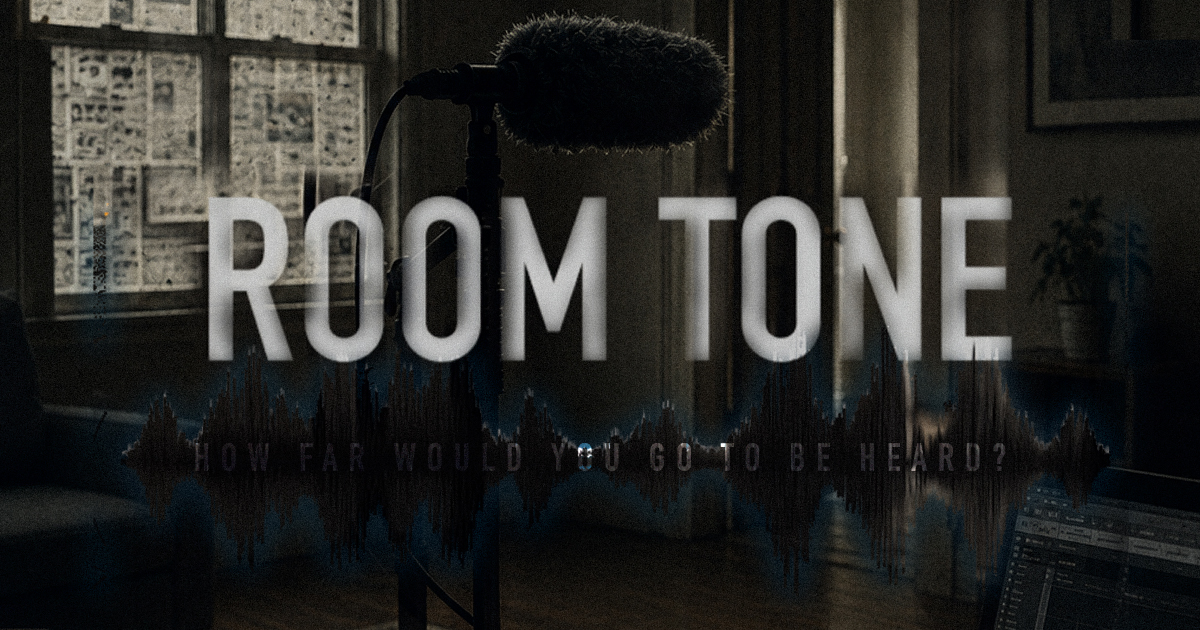
That idea, the thing that’s always there, holding a story together, rarely seen and never thanked, is exactly what our next project is about. It’s called Room Tone, and it’s the next film from Disturbia Films.
I’m writing and directing it, and I’m not doing it alone. My writing partner and producer, Abigail Hunt, is co-writing the script with me, producing the film alongside me, and starring as Claire.
Room Tone wouldn’t exist in its current form without her.
Where This Partnership Started: Siren
This isn’t our first project together. Abi and I previously worked on Siren, the third instalment in Mycho Entertainment’s HorrorScopes anthology (Siren – The Dark Zodiac), where she played Mika.
Siren was a horror anthology entry built around the Babylonian zodiac, made with a small, devoted crew and a lot of ambition. Room Tone is the next thing we’re building together.
What’s Next
We’re currently deep in development on Room Tone, and we’ll be sharing more as the project moves toward production: casting updates, behind-the-scenes footage, and details on how you can support it, the same way our community rallied behind Siren.
If you want to follow along, keep an eye on our socials and this site for updates, and check out Abigail’s other work on IMDb.
Room tone is the sound you’re not supposed to notice. This time, we wanted to put it front and centre.



Leave a Reply